The Biggest Casino Jackpots of All Time

The Biggest Casino Jackpots of All Time

Ιστορία των τζάκποτ στα καζίνο

Η έννοια του τζάκποτ έχει τις ρίζες της στις αρχές του 20ού αιώνα, με τα πρώτα φρουτάκια να κάνουν την εμφάνισή τους. Αυτές οι μηχανές προσέφεραν στους παίκτες την ευκαιρία να κερδίσουν μεγάλα ποσά, συνδυάζοντας τύχη και στρατηγική. Καθώς η δημοτικότητα των καζίνο αυξανόταν, έτσι και οι τζακποτ έγιναν πιο εντυπωσιακά, προσελκύοντας τους παίκτες με την υπόσχεση θεαματικών κερδών. Στο πλαίσιο αυτό, το Casea μπόνους καλωσορίσματος καθιστά την υποδοχή των νέων παικτών ακόμα πιο ελκυστική.

Σήμερα, οι τζάκποτ είναι ένα βασικό στοιχείο της καζίνο εμπειρίας. Από τις κλασικές μηχανές μέχρι τα σύγχρονα διαδικτυακά φρουτάκια, οι παίκτες αναζητούν τη μοναδική ευκαιρία να χτυπήσουν το μεγάλο τζάκποτ και να αλλάξουν τη ζωή τους σε μία νύχτα.

Οι μεγαλύτεροι τζάκποτ στην ιστορία

Μερικά τζάκποτ έχουν μείνει στην ιστορία λόγω των τεράστιων ποσών που έχουν κερδηθεί. Ένα από τα πιο εμβληματικά παραδείγματα είναι το τζάκποτ που κερδήθηκε το 2003 στο Megabucks, όπου ένας τυχερός παίκτης κέρδισε πάνω από 39 εκατομμύρια δολάρια. Αυτό το κέρδος κατέχει μέχρι σήμερα το ρεκόρ για το μεγαλύτερο τζάκποτ στην ιστορία των χερσαίων καζίνο.

Άλλα αξέχαστα τζάκποτ περιλαμβάνουν τις νίκες σε διαδικτυακά καζίνο, όπου οι παίκτες έχουν κερδίσει εκατομμύρια ευρώ. Αυτές οι ιστορίες είναι πηγή έμπνευσης για πολλούς, καθώς αποδεικνύουν ότι η τύχη μπορεί να χτυπήσει οποιονδήποτε, οποιαδήποτε στιγμή.

Διάσημοι παίκτες και οι θριαμβευτικές νίκες τους

Πολλοί διάσημοι παίκτες καζίνο έχουν γίνει θρύλοι λόγω των εκπληκτικών νικών τους. Ορισμένοι από αυτούς έχουν κερδίσει τεράστια ποσά σε τζάκποτ, μερικές φορές μάλιστα ενώ συμμετείχαν σε τουρνουά. Οι ιστορίες τους ταξιδεύουν σε όλο τον κόσμο και inspirer τους απλούς παίκτες να κυνηγήσουν την τύχη τους.

Διάσημοι όπως ο Ben Affleck και η Paris Hilton έχουν γίνει γνωστοί για τις επιτυχίες τους στα καζίνο, αποδεικνύοντας ότι οι μεγάλοι παίκτες έχουν τη δυνατότητα να κερδίσουν μεγάλα χρηματικά ποσά. Αυτές οι ιστορίες επιβεβαιώνουν ότι, εκτός από την τύχη, απαιτείται και στρατηγική για να επιτύχει κανείς.

Η σπουδαιότητα της στρατηγικής στα τζάκποτ

Η τύχη είναι αναμφίβολα ένας σημαντικός παράγοντας στα τζάκποτ, αλλά η στρατηγική παίζει επίσης σημαντικό ρόλο. Πολλοί παίκτες αφιερώνουν χρόνο για να μελετήσουν τις μηχανές και τους κανόνες των παιχνιδιών προτού καταθέσουν χρήματα. Η καλή γνώση των παιχνιδιών μπορεί να προσφέρει πλεονέκτημα στην αναζήτηση του τζάκποτ.

Επιπλέον, οι παίκτες μπορούν να εκμεταλλευτούν προσφορές και μπόνους που προσφέρουν τα καζίνο, αυξάνοντας τις πιθανότητές τους να κερδίσουν. Η συνδυασμένη χρήση στρατηγικής και τύχης είναι το κλειδί για να διεκδικήσει κανείς τα μεγαλύτερα τζάκποτ.

Το Casea και οι προσφορές του

Το Casea είναι ένα σύγχρονο online καζίνο που προσφέρει στους χρήστες την ευκαιρία να ζήσουν μοναδικές εμπειρίες παιχνιδιού. Με πάνω από 200 παιχνίδια, οι παίκτες μπορούν να απολαύσουν δημοφιλή φρουτάκια και επιτραπέζια παιχνίδια από κορυφαίους παρόχους. Η πλατφόρμα παρέχει επίσης ελκυστικά μπόνους καλωσορίσματος που ενισχύουν τις πιθανότητες νίκης.

Η ασφάλεια και η προστασία των προσωπικών δεδομένων είναι ύψιστης σημασίας στο Casea, εξασφαλίζοντας ότι οι παίκτες μπορούν να απολαμβάνουν την εμπειρία τους χωρίς ανησυχίες. Η καλή εξυπηρέτηση πελατών και οι ανταγωνιστικές προσφορές καθιστούν το Casea μια εξαιρετική επιλογή για όλους τους λάτρεις των τζάκποτ.
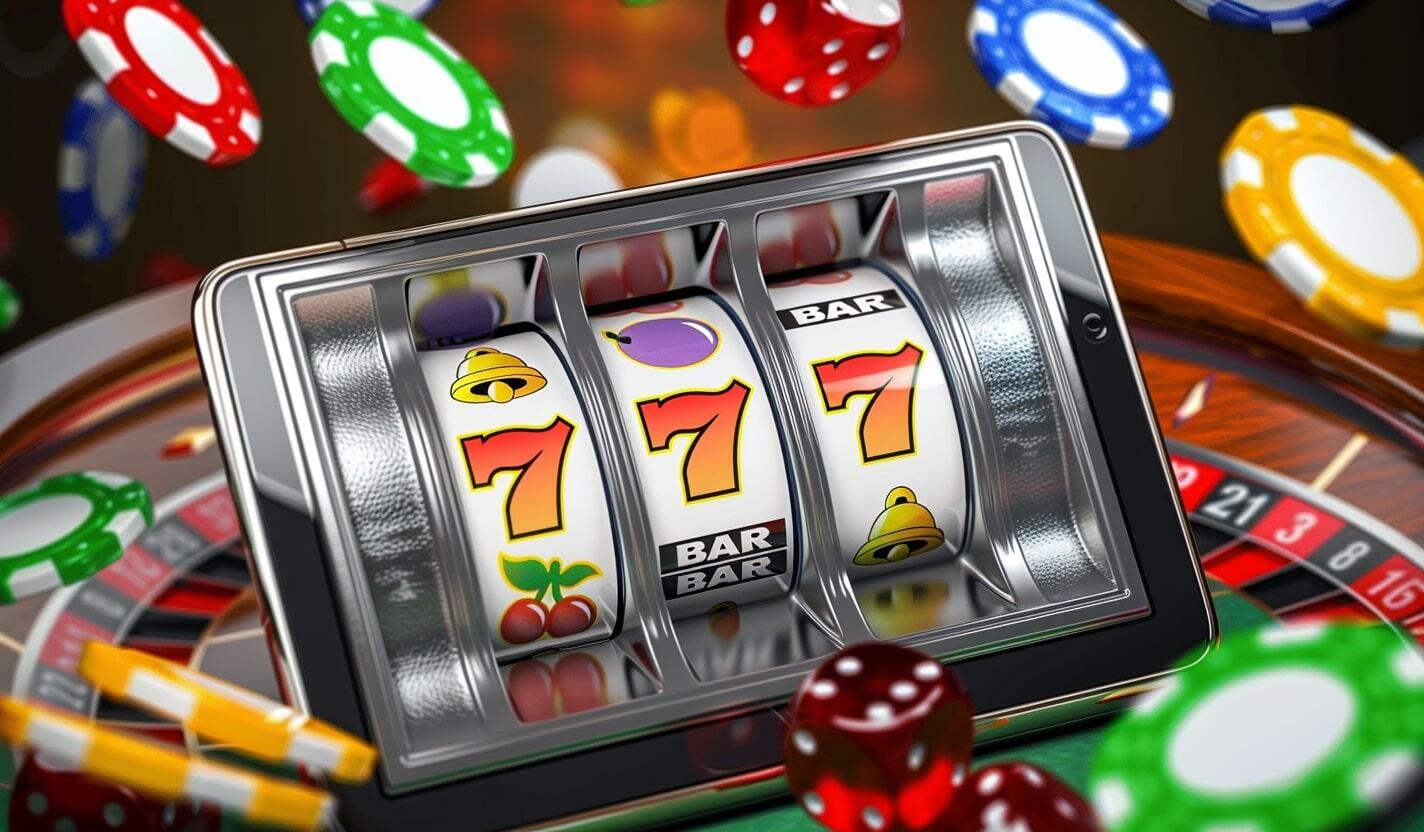

De psychologie achter gokken waarom mensen blijven spelen Waarom de spanning van gokken zo verleidelijk is Gokgedrag wat je moet weten over de psychologische aspecten Hoe beïnvloeden emoties je gokbes

De psychologie achter gokken waarom mensen blijven spelen Waarom de spanning van gokken zo verleidelijk is Gokgedrag wat je moet weten over de psychologische aspecten Hoe beïnvloeden emoties je gokbes

De aantrekkingskracht van gokken

Gokken heeft een onmiskenbare aantrekkingskracht op veel mensen. De spanning die gepaard gaat met het plaatsen van een inzet en de mogelijkheid om te winnen, zorgt voor een adrenalineboost die moeilijk te weerstaan is. Voor veel spelers is dit gevoel van euforie en de onvoorspelbaarheid van de uitkomst de belangrijkste reden om te blijven gokken. De kans om rijk te worden met één enkele weddenschap wekt een unieke opwinding op die veel mensen blijven aantrekken. Voor meer informatie over kansspelen en verantwoord gokken, kun je kijken op https://slotrush-casino.online/.

Bovendien spelen sociale factoren een rol. Het gokken in een groep of met vrienden kan de ervaring nog aantrekkelijker maken. Gezamenlijke ervaringen, zoals het vieren van overwinningen of het delen van teleurstellingen, creëren een gevoel van saamhorigheid dat veel mensen motiveert om terug te keren naar het spel.

Psychologische mechanismen achter gokgedrag

De psychologie achter gokken is complex en omvat verschillende mechanismen. Een belangrijk aspect is de zogenaamde ‘verdienste-illusie’, waarbij spelers geloven dat ze meer controle hebben over het spel dan daadwerkelijk het geval is. Dit kan leiden tot een verhoogde inzet en een grotere kans op verslaving. Spelers zijn vaak geneigd om hun verliezen te rationaliseren en denken dat ze de volgende keer zeker zullen winnen. Dit brengt ook het risico van emotioneel gokken met zich mee.

Daarnaast speelt het concept van ‘near misses’ een grote rol. Wanneer spelers bijna winnen, maar net niet, kan dit hen aansporen om door te gaan met gokken. Dit versterkt het idee dat een overwinning dichtbij is en moedigt hen aan om het nog een keer te proberen, wat de cyclus van gokken in stand houdt.

Emoties en hun invloed op gokbeslissingen

Emoties hebben een aanzienlijke invloed op hoe mensen gokken. Wanneer spelers zich gelukkig of opgewonden voelen, zijn ze vaak geneigd om meer in te zetten en risico’s te nemen. Aan de andere kant kunnen negatieve emoties, zoals verdriet of frustratie, ook leiden tot impulsieve gokbeslissingen. Dit fenomeen kan ertoe leiden dat spelers meer verliezen dan ze van plan waren.

Bovendien kunnen bepaalde situaties, zoals stress of eenzaamheid, het verlangen naar gokken versterken. Spelers kunnen gokken zien als een ontsnapping aan hun dagelijkse problemen, wat hun gedrag verder kan verergeren. Het is belangrijk om deze emotionele triggers te herkennen om verantwoord te kunnen gokken.

Verantwoord gokken: wat je moet weten

Verantwoord gokken is cruciaal voor een gezonde relatie met kansspelen. Het is belangrijk om grenzen te stellen en te weten wanneer je moet stoppen. Dit kan betekenen dat je vooraf een budget vaststelt en jezelf niet toestaat om dit te overschrijden. Door bewust te zijn van je emoties en het effect daarvan op je gokgedrag, kun je betere beslissingen nemen.

Ontdek SlotRush Casino voor een verantwoorde speelervaring

SlotRush Casino biedt een uitgebreide selectie aan spellen met een focus op verantwoord gokken. Nieuwe spelers kunnen profiteren van aantrekkelijke bonussen en gratis spins, wat een geweldige manier is om kennis te maken met de spellen zonder grote risico’s. Het platform is gebruiksvriendelijk en toegankelijk vanaf verschillende apparaten, zodat je altijd en overal kunt spelen.

Bij SlotRush staat de veiligheid van spelers voorop. Met veilige betalingsmethoden en uitstekende klantenservice kun je met een gerust hart genieten van de spellen. Onthoud altijd om verantwoord te gokken en te genieten van het plezier dat SlotRush Casino te bieden heeft!

“`

Innovaciones tecnológicas que transforman el juego el futuro de Tower Rush

Innovaciones tecnológicas que transforman el juego el futuro de Tower Rush

La evolución de la tecnología en los juegos de estrategia

La industria de los videojuegos ha avanzado a pasos agigantados, especialmente en el ámbito de los juegos de estrategia como Tower Rush. Estas innovaciones han permitido crear experiencias de juego más inmersivas y atractivas. La implementación de gráficos de alta definición y motores de juego más potentes ha transformado la manera en que los jugadores interactúan con el entorno y entre sí, por eso te invito a descubre Tower Rush demo.

Además, las mejoras en la inteligencia artificial han hecho que los oponentes sean más desafiantes y realistas, lo que aumenta la complejidad de las partidas. Esto no solo eleva la competitividad, sino que también proporciona a los jugadores la oportunidad de desarrollar tácticas más sofisticadas, cambiando la dinámica del juego de maneras antes inimaginables.

Nuevas plataformas de juego y su impacto

El desarrollo de plataformas móviles ha revolucionado la forma en que los usuarios acceden a Tower Rush y otros juegos de estrategia. Ahora, los jugadores pueden disfrutar de sus juegos favoritos en cualquier lugar y en cualquier momento, lo que fomenta una comunidad más activa y conectada. Esta accesibilidad ha llevado a un aumento en la base de jugadores y ha abierto nuevas oportunidades de monetización para los desarrolladores.

Las plataformas de juego en la nube también están ganando terreno, permitiendo a los jugadores disfrutar de gráficos de alta calidad sin la necesidad de hardware costoso. Esto no solo democratiza el acceso a juegos de alta gama, sino que también potencia la innovación en el diseño y la jugabilidad, ofreciendo experiencias más dinámicas y envolventes.

La integración de la realidad aumentada y virtual

Las tecnologías de realidad aumentada (AR) y realidad virtual (VR) están comenzando a integrarse en juegos como Tower Rush, ofreciendo a los jugadores una experiencia completamente nueva. La realidad aumentada permite a los usuarios interactuar con el juego en su entorno físico, mientras que la realidad virtual sumerge a los jugadores en mundos tridimensionales que simulan situaciones de juego en tiempo real.

Estas tecnologías no solo mejoran la jugabilidad, sino que también crean un vínculo emocional más fuerte entre los jugadores y el juego. La posibilidad de experimentar el juego de una manera tan tangible cambia la percepción del mismo y ofrece un nuevo nivel de inmersión que puede transformar la industria del videojuego por completo.

Sistemas de monetización y apuestas en el juego

Los modelos de monetización en juegos como Tower Rush están evolucionando para incluir elementos de apuestas y sistemas de recompensas más sofisticados. Esto permite a los desarrolladores crear experiencias más atractivas y rentables. Los jugadores ahora pueden participar en torneos y competiciones, donde tienen la oportunidad de ganar premios en efectivo o recompensas dentro del juego.

Este enfoque no solo incentiva la participación activa, sino que también puede fomentar una comunidad más competitiva. Sin embargo, es esencial que los desarrolladores implementen estos sistemas de manera responsable, garantizando que los jugadores tengan una experiencia segura y divertida.

Conclusiones sobre el futuro de Tower Rush

El futuro de Tower Rush y otros juegos de estrategia está indudablemente ligado a la continua innovación tecnológica. A medida que las nuevas herramientas y plataformas emergen, es probable que veamos aún más transformaciones en cómo se diseñan, juegan y monetizan estos juegos. La clave estará en equilibrar la diversión con la sostenibilidad y la responsabilidad en el juego.

Por último, es fundamental que los jugadores se mantengan informados sobre estas innovaciones y aprovechen al máximo las nuevas tecnologías que se introducen en sus juegos favoritos. Así, no solo disfrutarán de una experiencia más enriquecedora, sino que también contribuirán al crecimiento y evolución de la comunidad de Tower Rush.

Coronavirus disease 2019

COVID-19 is a contagious disease caused by the coronavirus SARS-CoV-2. In January 2020, the disease spread worldwide, resulting in the COVID-19 pandemic.

The symptoms of COVID‑19 can vary but often include fever,[7] fatigue, cough, breathing difficulties, loss of smell, and loss of taste.[8][9][10] Symptoms may begin one to fourteen days after exposure to the virus. At least a third of people who are infected do not develop noticeable symptoms.[11][12] Of those who develop symptoms noticeable enough to be classified as patients, most (81%) develop mild to moderate symptoms (up to mild pneumonia), while 14% develop severe symptoms (dyspnea, hypoxia, or more than 50% lung involvement on imaging), and 5% develop critical symptoms (respiratory failure, shock, or multiorgan dysfunction).[13] Older people have a higher risk of developing severe symptoms. Some complications result in death. Some people continue to experience a range of effects (long COVID) for months or years after infection, and damage to organs has been observed.[14] Multi-year studies on the long-term effects are ongoing.[15]

COVID‑19 transmission occurs when infectious particles are breathed in or come into contact with the eyes, nose, or mouth. The risk is highest when people are in close proximity, but small airborne particles containing the virus can remain suspended in the air and travel over longer distances, particularly indoors. Transmission can also occur when people touch their eyes, nose, or mouth after touching surfaces or objects that have been contaminated by the virus. People remain contagious for up to 20 days and can spread the virus even if they do not develop symptoms.[16]

Testing methods for COVID-19 to detect the virus’s nucleic acid include real-time reverse transcription polymerase chain reaction (RT‑PCR),[17][18] transcription-mediated amplification,[17][18][19] and reverse transcription loop-mediated isothermal amplification (RT‑LAMP)[17][18] from a nasopharyngeal swab.[20]

Several COVID-19 vaccines have been approved and distributed in various countries, many of which have initiated mass vaccination campaigns. Other preventive measures include physical or social distancing, quarantining, ventilation of indoor spaces, use of face masks or coverings in public, covering coughs and sneezes, hand washing, and keeping unwashed hands away from the face. While drugs have been developed to inhibit the virus, the primary treatment is still symptomatic, managing the disease through supportive care, isolation, and experimental measures.

How to Gamble Responsibly in the Casino World

How to Gamble Responsibly in the Casino World

Η σημασία της υπευθυνότητας στον τζόγο

Ο τζόγος είναι μια δραστηριότητα που μπορεί να προσφέρει ψυχαγωγία και συγκίνηση, αλλά η υπευθυνότητα είναι θεμελιώδους σημασίας. Υπάρχουν πολλοί κίνδυνοι που σχετίζονται με τον τζόγο, όπως η πιθανότητα ανάπτυξης εθισμού ή οικονομικών προβλημάτων. Γι’ αυτό είναι απαραίτητο να γνωρίζουμε τα όρια μας και να παίζουμε με σύνεση. Εάν επιθυμείς να επεκτείνεις την εμπειρία σου, ανακάλυψε Oscarspin Ελλάδα και τις προσφορές του.

Η υπευθυνότητα στον τζόγο περιλαμβάνει την κατανόηση του τι σημαίνει ο τζόγος για εμάς, καθώς και την αναγνώριση των ενδείξεων που μπορεί να υποδηλώνουν ότι χάνουμε τον έλεγχο. Η εκπαίδευση σχετικά με τις επιπτώσεις του τζόγου και η ενημέρωση για τους τρόπους διαχείρισης των κινδύνων είναι ζωτικής σημασίας. Το Oscar Spin Casino μπορεί να προσφέρει πηγές που θα βοηθήσουν τους παίκτες να παραμείνουν ενημερωμένοι και υπεύθυνοι.

Θέστε όρια στον τζόγο σας

Ένας από τους πιο αποτελεσματικούς τρόπους για να διασφαλίσετε ότι παίζετε υπεύθυνα είναι να θέσετε σαφή όρια. Αυτό περιλαμβάνει τον καθορισμό ενός συγκεκριμένου ποσού χρημάτων που μπορείτε να ξοδέψετε και την τήρηση αυτού του ποσού. Δεν πρέπει ποτέ να παίζετε με χρήματα που δεν μπορείτε να αντέξετε οικονομικά να χάσετε.

Επιπλέον, είναι σημαντικό να ορίσετε χρονικά όρια για το παιχνίδι σας. Η υπερβολική διάρκεια παιχνιδιού μπορεί να οδηγήσει σε αποφάσεις που δεν είναι λογικές, καθώς και σε αυξανόμενη πίεση. Η τήρηση του χρόνου σας βοηθά να παραμείνετε συγκεντρωμένοι και να απολαμβάνετε το παιχνίδι με υγιή τρόπο.

Αναγνώριση των ενδείξεων του εθισμού

Η αναγνώριση των σημάτων του εθισμού στον τζόγο είναι απαραίτητη για την πρόληψη σοβαρών συνεπειών. Αν παρατηρήσετε ότι νιώθετε έντονη επιθυμία να παίξετε, ακόμα κι αν έχετε θέσει όρια, ή αν αισθάνεστε άγχος όταν δεν παίζετε, μπορεί να είναι σημάδια ότι χρειάζεστε βοήθεια.

Η αυτοαξιολόγηση μπορεί να είναι ένας χρήσιμος τρόπος για να κατανοήσετε τη σχέση σας με τον τζόγο. Αν αναγνωρίσετε αυτές τις ενδείξεις, είναι σημαντικό να αναζητήσετε υποστήριξη από επαγγελματίες ή οργανισμούς που ειδικεύονται στην αντιμετώπιση του εθισμού στον τζόγο.

Χρήσιμες στρατηγικές για υπεύθυνο παιχνίδι

Υπάρχουν πολλές στρατηγικές που μπορείτε να εφαρμόσετε για να διασφαλίσετε ότι παίζετε υπεύθυνα. Μία από αυτές είναι η χρήση εργαλείων αυτοελέγχου που προσφέρονται από τα περισσότερα καζίνο. Αυτά περιλαμβάνουν δυνατότητες για να περιορίσετε τις καταθέσεις σας ή να αποκλείσετε τη δυνατότητα συμμετοχής σας για κάποιο χρονικό διάστημα.

Επιπλέον, είναι σημαντικό να διατηρείτε μια ισορροπία στη ζωή σας. Η συμμετοχή σε άλλες δραστηριότητες, όπως αθλητισμός ή κοινωνικές εκδηλώσεις, μπορεί να σας βοηθήσει να διαχειριστείτε καλύτερα την επιθυμία να παίξετε και να μειώσετε την εξάρτηση από τον τζόγο.

Η εμπειρία του Oscar Spin Casino

Στο Oscar Spin Casino, η υπευθυνότητα στον τζόγο είναι κεντρικής σημασίας. Η πλατφόρμα προσφέρει μια ασφαλή και ευχάριστη εμπειρία παιχνιδιού, με πάνω από 6.000 τίτλους παιχνιδιών. Οι παίκτες μπορούν να επωφεληθούν από πλούσιες προσφορές και μπόνους καλωσορίσματος, ενώ οι επιλογές κατάθεσης και ανάληψης είναι εύκολες και ασφαλείς.

Η υποστήριξη πελατών είναι διαθέσιμη 24/7, επιτρέποντας στους παίκτες να έχουν πρόσβαση σε βοήθεια και πληροφορίες ανά πάσα στιγμή. Το Oscar Spin Casino προάγει την υπευθυνότητα, διασφαλίζοντας ότι οι παίκτες έχουν όλα τα εργαλεία για να απολαμβάνουν τον τζόγο με ασφάλεια και χωρίς κινδύνους.

Coronavirus disease 2019

Coronavirus disease 2019

COVID-19 is a contagious disease caused by the coronavirus SARS-CoV-2. In January 2020, the disease spread worldwide, resulting in the COVID-19 pandemic.

The symptoms of COVID‑19 can vary but often include fever,[7] fatigue, cough, breathing difficulties, loss of smell, and loss of taste.[8][9][10] Symptoms may begin one to fourteen days after exposure to the virus. At least a third of people who are infected do not develop noticeable symptoms.[11][12] Of those who develop symptoms noticeable enough to be classified as patients, most (81%) develop mild to moderate symptoms (up to mild pneumonia), while 14% develop severe symptoms (dyspnea, hypoxia, or more than 50% lung involvement on imaging), and 5% develop critical symptoms (respiratory failure, shock, or multiorgan dysfunction).[13] Older people have a higher risk of developing severe symptoms. Some complications result in death. Some people continue to experience a range of effects (long COVID) for months or years after infection, and damage to organs has been observed.[14] Multi-year studies on the long-term effects are ongoing.[15]

COVID‑19 transmission occurs when infectious particles are breathed in or come into contact with the eyes, nose, or mouth. The risk is highest when people are in close proximity, but small airborne particles containing the virus can remain suspended in the air and travel over longer distances, particularly indoors. Transmission can also occur when people touch their eyes, nose, or mouth after touching surfaces or objects that have been contaminated by the virus. People remain contagious for up to 20 days and can spread the virus even if they do not develop symptoms.[16]

Testing methods for COVID-19 to detect the virus’s nucleic acid include real-time reverse transcription polymerase chain reaction (RT‑PCR),[17][18] transcription-mediated amplification,[17][18][19] and reverse transcription loop-mediated isothermal amplification (RT‑LAMP)[17][18] from a nasopharyngeal swab.[20]

Several COVID-19 vaccines have been approved and distributed in various countries, many of which have initiated mass vaccination campaigns. Other preventive measures include physical or social distancing, quarantining, ventilation of indoor spaces, use of face masks or coverings in public, covering coughs and sneezes, hand washing, and keeping unwashed hands away from the face. While drugs have been developed to inhibit the virus, the primary treatment is still symptomatic, managing the disease through supportive care, isolation, and experimental measures.

Coronavirus disease 2019

COVID-19 is a contagious disease caused by the coronavirus SARS-CoV-2. In January 2020, the disease spread worldwide, resulting in the COVID-19 pandemic.

The symptoms of COVID‑19 can vary but often include fever,[7] fatigue, cough, breathing difficulties, loss of smell, and loss of taste.[8][9][10] Symptoms may begin one to fourteen days after exposure to the virus. At least a third of people who are infected do not develop noticeable symptoms.[11][12] Of those who develop symptoms noticeable enough to be classified as patients, most (81%) develop mild to moderate symptoms (up to mild pneumonia), while 14% develop severe symptoms (dyspnea, hypoxia, or more than 50% lung involvement on imaging), and 5% develop critical symptoms (respiratory failure, shock, or multiorgan dysfunction).[13] Older people have a higher risk of developing severe symptoms. Some complications result in death. Some people continue to experience a range of effects (long COVID) for months or years after infection, and damage to organs has been observed.[14] Multi-year studies on the long-term effects are ongoing.[15]

COVID‑19 transmission occurs when infectious particles are breathed in or come into contact with the eyes, nose, or mouth. The risk is highest when people are in close proximity, but small airborne particles containing the virus can remain suspended in the air and travel over longer distances, particularly indoors. Transmission can also occur when people touch their eyes, nose, or mouth after touching surfaces or objects that have been contaminated by the virus. People remain contagious for up to 20 days and can spread the virus even if they do not develop symptoms.[16]

Testing methods for COVID-19 to detect the virus’s nucleic acid include real-time reverse transcription polymerase chain reaction (RT‑PCR),[17][18] transcription-mediated amplification,[17][18][19] and reverse transcription loop-mediated isothermal amplification (RT‑LAMP)[17][18] from a nasopharyngeal swab.[20]

Several COVID-19 vaccines have been approved and distributed in various countries, many of which have initiated mass vaccination campaigns. Other preventive measures include physical or social distancing, quarantining, ventilation of indoor spaces, use of face masks or coverings in public, covering coughs and sneezes, hand washing, and keeping unwashed hands away from the face. While drugs have been developed to inhibit the virus, the primary treatment is still symptomatic, managing the disease through supportive care, isolation, and experimental measures.

Coronavirus disease 2019

Coronavirus disease 2019

COVID-19 is a contagious disease caused by the coronavirus SARS-CoV-2. In January 2020, the disease spread worldwide, resulting in the COVID-19 pandemic.

The symptoms of COVID‑19 can vary but often include fever,[7] fatigue, cough, breathing difficulties, loss of smell, and loss of taste.[8][9][10] Symptoms may begin one to fourteen days after exposure to the virus. At least a third of people who are infected do not develop noticeable symptoms.[11][12] Of those who develop symptoms noticeable enough to be classified as patients, most (81%) develop mild to moderate symptoms (up to mild pneumonia), while 14% develop severe symptoms (dyspnea, hypoxia, or more than 50% lung involvement on imaging), and 5% develop critical symptoms (respiratory failure, shock, or multiorgan dysfunction).[13] Older people have a higher risk of developing severe symptoms. Some complications result in death. Some people continue to experience a range of effects (long COVID) for months or years after infection, and damage to organs has been observed.[14] Multi-year studies on the long-term effects are ongoing.[15]

COVID‑19 transmission occurs when infectious particles are breathed in or come into contact with the eyes, nose, or mouth. The risk is highest when people are in close proximity, but small airborne particles containing the virus can remain suspended in the air and travel over longer distances, particularly indoors. Transmission can also occur when people touch their eyes, nose, or mouth after touching surfaces or objects that have been contaminated by the virus. People remain contagious for up to 20 days and can spread the virus even if they do not develop symptoms.[16]

Testing methods for COVID-19 to detect the virus’s nucleic acid include real-time reverse transcription polymerase chain reaction (RT‑PCR),[17][18] transcription-mediated amplification,[17][18][19] and reverse transcription loop-mediated isothermal amplification (RT‑LAMP)[17][18] from a nasopharyngeal swab.[20]

Several COVID-19 vaccines have been approved and distributed in various countries, many of which have initiated mass vaccination campaigns. Other preventive measures include physical or social distancing, quarantining, ventilation of indoor spaces, use of face masks or coverings in public, covering coughs and sneezes, hand washing, and keeping unwashed hands away from the face. While drugs have been developed to inhibit the virus, the primary treatment is still symptomatic, managing the disease through supportive care, isolation, and experimental measures.

Coronavirus disease 2019

COVID-19 is a contagious disease caused by the coronavirus SARS-CoV-2. In January 2020, the disease spread worldwide, resulting in the COVID-19 pandemic.

The symptoms of COVID‑19 can vary but often include fever,[7] fatigue, cough, breathing difficulties, loss of smell, and loss of taste.[8][9][10] Symptoms may begin one to fourteen days after exposure to the virus. At least a third of people who are infected do not develop noticeable symptoms.[11][12] Of those who develop symptoms noticeable enough to be classified as patients, most (81%) develop mild to moderate symptoms (up to mild pneumonia), while 14% develop severe symptoms (dyspnea, hypoxia, or more than 50% lung involvement on imaging), and 5% develop critical symptoms (respiratory failure, shock, or multiorgan dysfunction).[13] Older people have a higher risk of developing severe symptoms. Some complications result in death. Some people continue to experience a range of effects (long COVID) for months or years after infection, and damage to organs has been observed.[14] Multi-year studies on the long-term effects are ongoing.[15]

COVID‑19 transmission occurs when infectious particles are breathed in or come into contact with the eyes, nose, or mouth. The risk is highest when people are in close proximity, but small airborne particles containing the virus can remain suspended in the air and travel over longer distances, particularly indoors. Transmission can also occur when people touch their eyes, nose, or mouth after touching surfaces or objects that have been contaminated by the virus. People remain contagious for up to 20 days and can spread the virus even if they do not develop symptoms.[16]

Testing methods for COVID-19 to detect the virus’s nucleic acid include real-time reverse transcription polymerase chain reaction (RT‑PCR),[17][18] transcription-mediated amplification,[17][18][19] and reverse transcription loop-mediated isothermal amplification (RT‑LAMP)[17][18] from a nasopharyngeal swab.[20]

Several COVID-19 vaccines have been approved and distributed in various countries, many of which have initiated mass vaccination campaigns. Other preventive measures include physical or social distancing, quarantining, ventilation of indoor spaces, use of face masks or coverings in public, covering coughs and sneezes, hand washing, and keeping unwashed hands away from the face. While drugs have been developed to inhibit the virus, the primary treatment is still symptomatic, managing the disease through supportive care, isolation, and experimental measures.

Coronavirus disease 2019

COVID-19 is a contagious disease caused by the coronavirus SARS-CoV-2. In January 2020, the disease spread worldwide, resulting in the COVID-19 pandemic.

The symptoms of COVID‑19 can vary but often include fever,[7] fatigue, cough, breathing difficulties, loss of smell, and loss of taste.[8][9][10] Symptoms may begin one to fourteen days after exposure to the virus. At least a third of people who are infected do not develop noticeable symptoms.[11][12] Of those who develop symptoms noticeable enough to be classified as patients, most (81%) develop mild to moderate symptoms (up to mild pneumonia), while 14% develop severe symptoms (dyspnea, hypoxia, or more than 50% lung involvement on imaging), and 5% develop critical symptoms (respiratory failure, shock, or multiorgan dysfunction).[13] Older people have a higher risk of developing severe symptoms. Some complications result in death. Some people continue to experience a range of effects (long COVID) for months or years after infection, and damage to organs has been observed.[14] Multi-year studies on the long-term effects are ongoing.[15]

COVID‑19 transmission occurs when infectious particles are breathed in or come into contact with the eyes, nose, or mouth. The risk is highest when people are in close proximity, but small airborne particles containing the virus can remain suspended in the air and travel over longer distances, particularly indoors. Transmission can also occur when people touch their eyes, nose, or mouth after touching surfaces or objects that have been contaminated by the virus. People remain contagious for up to 20 days and can spread the virus even if they do not develop symptoms.[16]

Testing methods for COVID-19 to detect the virus’s nucleic acid include real-time reverse transcription polymerase chain reaction (RT‑PCR),[17][18] transcription-mediated amplification,[17][18][19] and reverse transcription loop-mediated isothermal amplification (RT‑LAMP)[17][18] from a nasopharyngeal swab.[20]

Several COVID-19 vaccines have been approved and distributed in various countries, many of which have initiated mass vaccination campaigns. Other preventive measures include physical or social distancing, quarantining, ventilation of indoor spaces, use of face masks or coverings in public, covering coughs and sneezes, hand washing, and keeping unwashed hands away from the face. While drugs have been developed to inhibit the virus, the primary treatment is still symptomatic, managing the disease through supportive care, isolation, and experimental measures.